Top Museum Display Case Technologies to Watch in 2026
As museums continue to evolve into more interactive, conservation-driven cultural spaces, museum display cases are no longer passive containers. They have become integrated systems that balance protection, presentation, and long-term sustainability. In 2026, several key technologies are shaping how museums approach exhibition display design and artifact preservation.
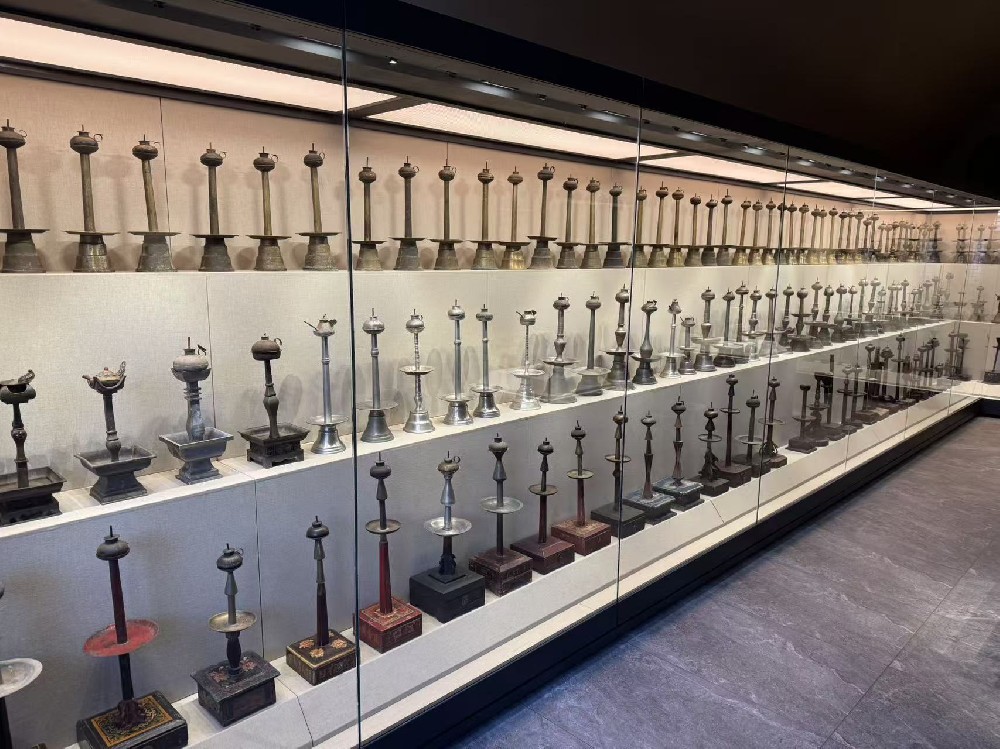
The Growing Importance of Conservation-Driven Design
Across museums worldwide, curators and conservators are placing greater emphasis on preventive conservation. Display cases now play a central role in protecting sensitive artifacts from environmental fluctuations, light exposure, and physical risks. This shift has driven innovation toward display systems that actively support conservation goals rather than simply enclosing objects.
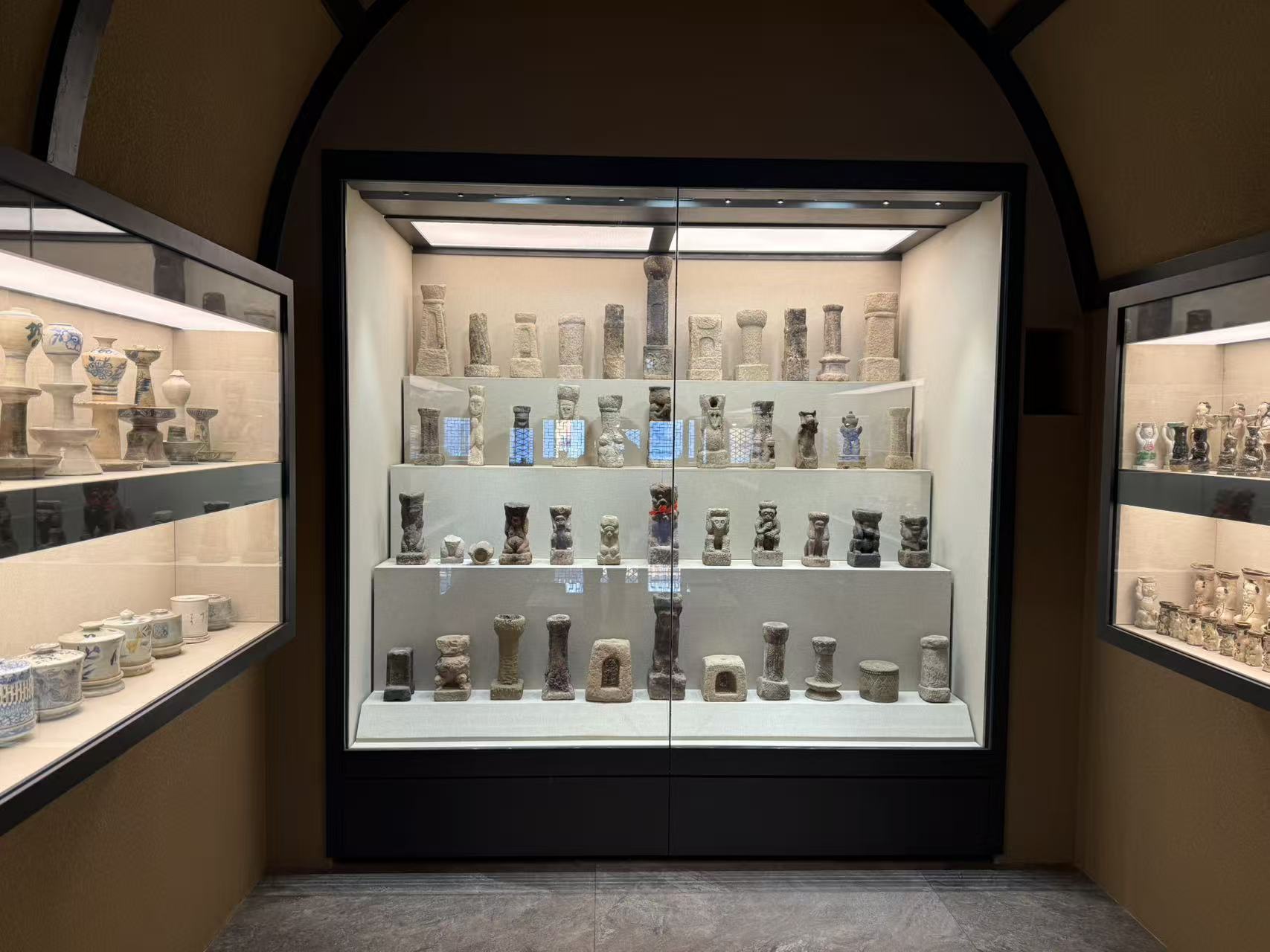
Advanced Climate Control Systems
One of the most significant trends is the continued advancement of climate-controlled museum display cabinets. Precise regulation of temperature and relative humidity is essential for preserving organic materials, textiles, manuscripts, and mixed-media artifacts. Modern display cases increasingly integrate micro-climate systems that offer stable conditions with minimal energy consumption and reduced maintenance requirements.
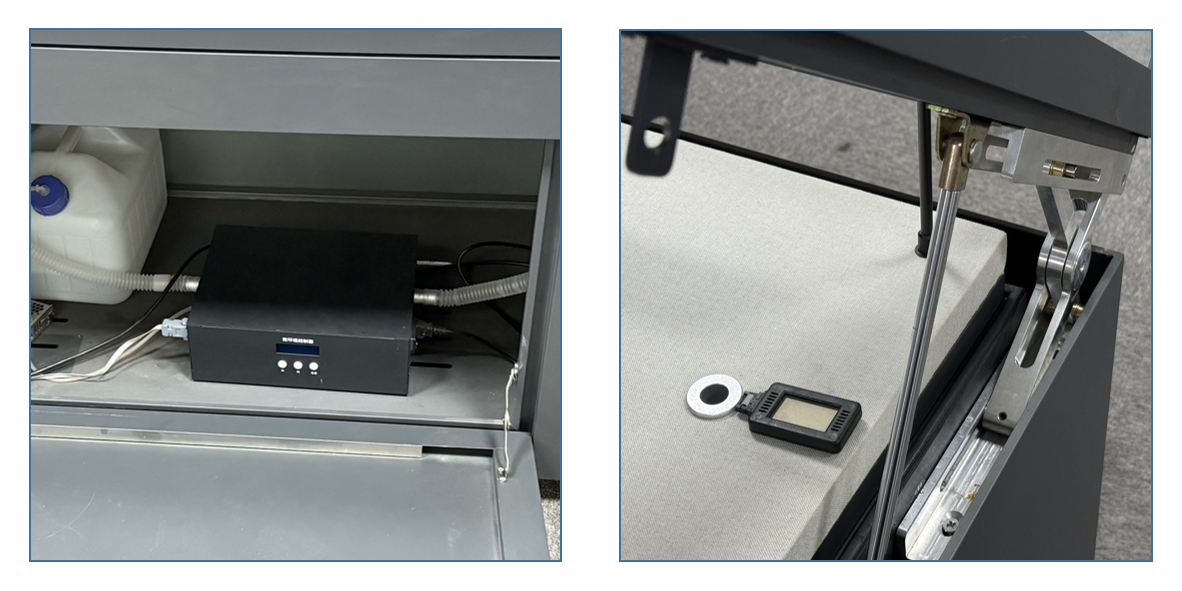
Modular and Flexible Display Case Design
Exhibition planning today demands flexibility. Modular museum display cases allow institutions to adapt layouts for temporary exhibitions, traveling shows, and evolving curatorial narratives. Freestanding, wall-mounted, and combinable display systems are being designed to integrate seamlessly into different architectural environments while maintaining consistent conservation performance.
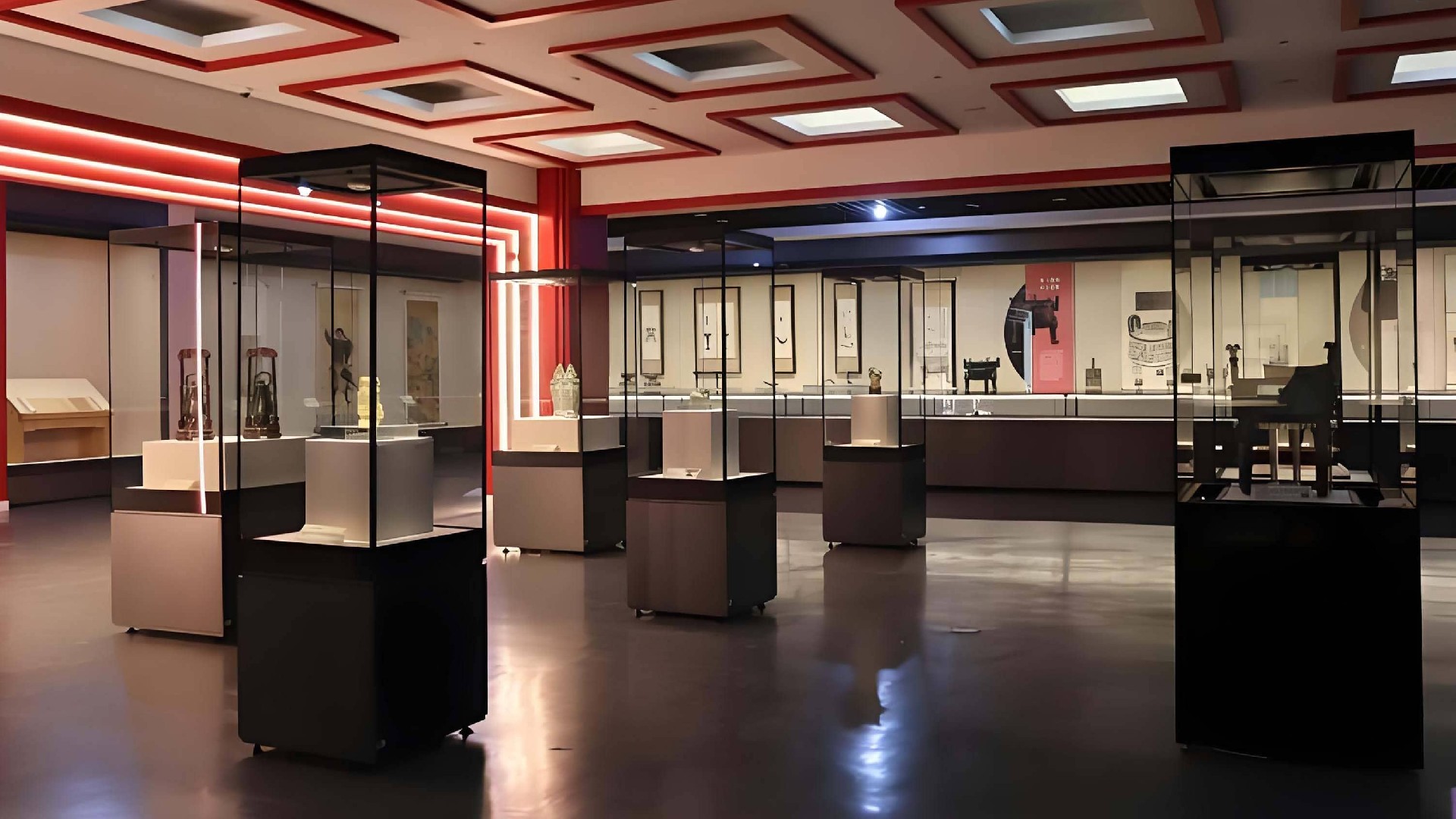
Improved Security and Access Control
Security remains a fundamental concern for museums. Secure exhibition display cases now combine robust structural design with discreet access control mechanisms. Innovations include enhanced locking systems, vibration resistance, and compatibility with monitoring technologies, all designed to protect valuable artifacts without compromising visual clarity or visitor experience.
Lighting Technology Focused on Artifact Safety
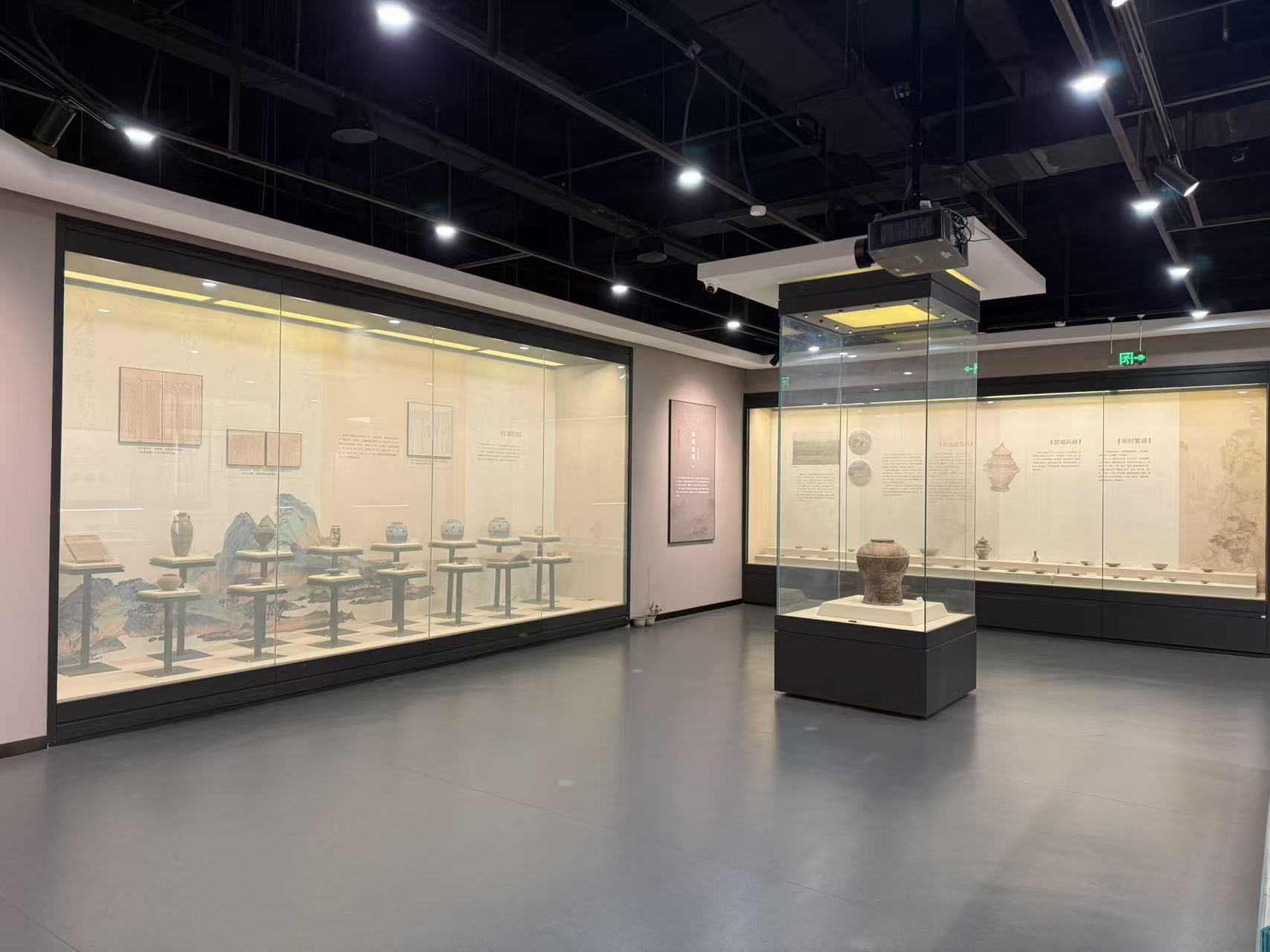
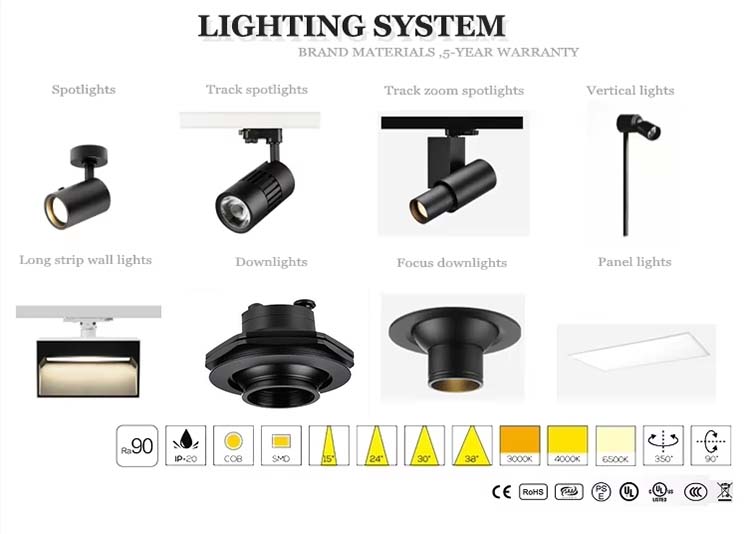
Lighting design has also seen important developments. Museums are increasingly adopting LED systems with high color accuracy and low ultraviolet output. Integrated lighting within display cases is carefully engineered to highlight objects while minimizing long-term light damage, supporting both aesthetic presentation and conservation standards.
Integrated Collaboration in Exhibition Projects
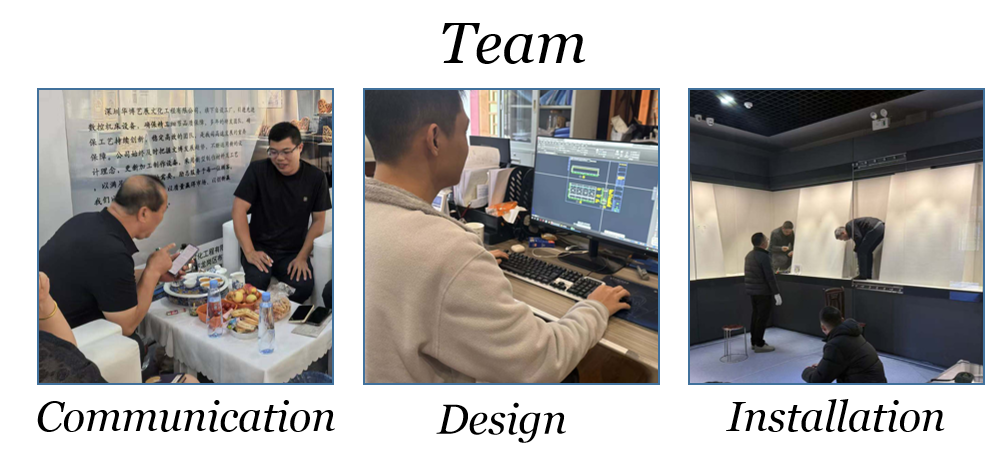
Beyond individual technologies, a broader trend is emerging toward integrated project collaboration. Successful museum display solutions increasingly result from early cooperation between curators, exhibition designers, engineers, and display case specialists. This approach ensures that display cases align with conservation needs, spatial design, and long-term operational considerations from the outset.
Looking Ahead
As museums prepare for future exhibitions, the role of the display case will continue to expand. Technologies that support preservation, flexibility, security, and sustainability are shaping the next generation of museum display cabinets. Institutions that invest in well-designed, forward-looking display systems will be better positioned to protect cultural heritage while creating meaningful visitor experiences.
previous:Construction will start in 2025
next:没有了!


